Hydraulic Oil Coolers: How They Work & Their Benefits
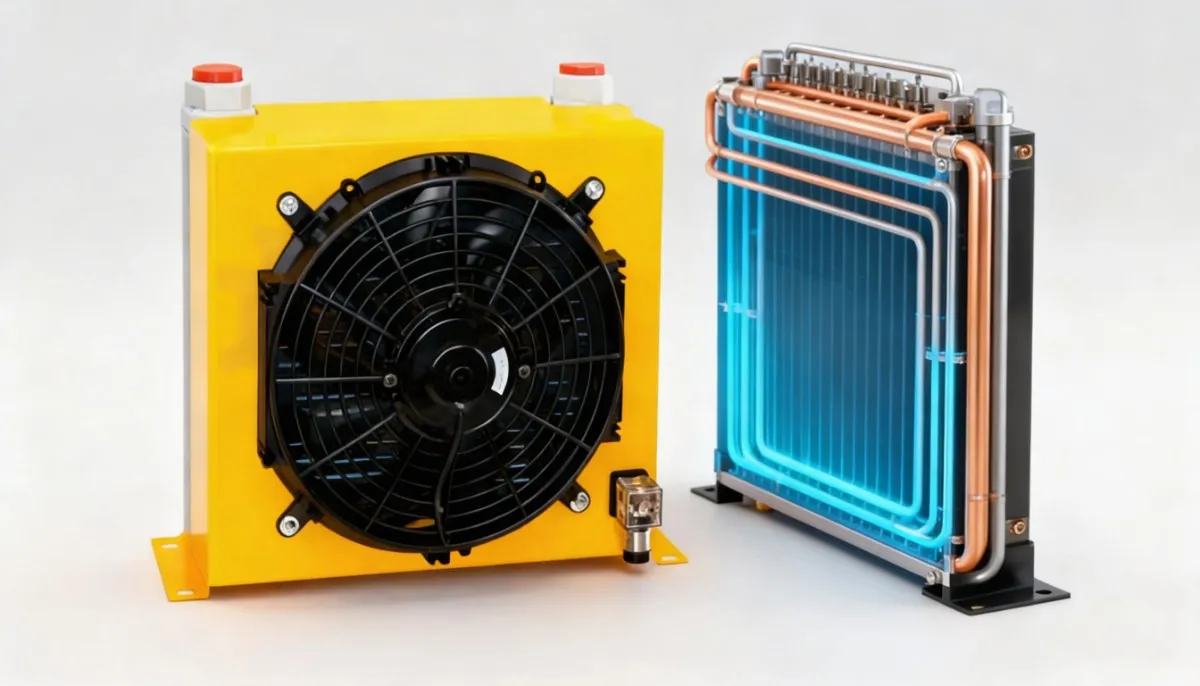
The control of the temperatures in modern industrial systems is important to get maximum performance and life expectancy. Specifically, hydraulic systems generate a great deal of heat generated by the continuous movement of fluid through the system under high pressure. For this reason, the use of hydraulic oil cooler heat exchangers is important. They promote smooth operation for hydraulic systems.
Definition of a Hydraulic Oil Cooler Heat Exchanger
Hydraulic coolers are devices designed to cool hydraulic fluid, without cooling systems or using a separate water supply, by transferring heat from the hydraulic oil to a secondary medium. This keeps the hydraulic fluid within its designed temperature range so as to avoid excessive pressure buildup that would negatively affect the performance of the system.
In industrial applications, air-cooled heat exchangers for hydraulic oil are very commonly used because of simple design, low cost, and maintenance.
Why Is Cooling Important in Hydraulic Systems?
Hydraulic systems operate at high pressure and constant movement, resulting in a huge amount of heat being created. This heat can cause:
- Oil degradation.
- Reduced lubrication efficiency.
- Seal damage and leakage.
- Increased wear and tear of components.
- System failure and downtime.
Understanding the Hydraulic Oil Cooler working principle helps in recognising how essential these devices are in preventing such issues.
How Does a Hydraulic Oil Cooler Function?
The method by which an oil cooler operates is basically by transferring heat. Hydraulic oil passes through a heat exchanger, which pools away the heat from the hydraulic oil through either a tube or fin designed for cooling.
Basic Working Process:
- Hot oil enters the cooler.
- Heat gets transferred into either the water or air.
- Cooled oil exits & returns back to the system.
That is how a hydraulic oil cooler's working principle operates and provides consistent performance of the hydraulic system.
Types of Hydraulic Oil Coolers
Hydraulic oil coolers are divided based on the cooling medium used. Each type has its own advantages and application needs. There are two basic types of hydraulic oil coolers based on how the hydraulic oil is cooled. Each type provides certain benefits based upon the application they were designed to serve.
1. Air-Cooled Oil Coolers
Air-cooled oil coolers use surrounding air as medium and are commonly used because of their overall design efficiency and wide range of installation options. An air-cooled heat exchanger hydraulic oil is suitable for various environments.
2. Water-Cooled Oil Coolers
Water-cooled hydraulic oil coolers are used in larger systems that require a faster means to transfer heat away from the hydraulic oil.
Key Components of a Hydraulic Oil Cooler
Understanding the components helps in better maintenance and selection:
| Component | Function |
|---|---|
| Heat Exchanger Core | Transfers heat from oil to cooling medium |
| Fan or Pump | Circulates air or water |
| Inlet/Outlet Ports | Allows oil flow in and out |
| Cooling Fins | Increase surface area for heat dissipation |
| Temperature Sensors | Monitor oil temperature |
Many hydraulic oil heat exchanger manufacturers design these components with precision to ensure durability and efficiency.
Advantages of Hydraulic Oil Coolers
Installing a hydraulic oil cooler provides several benefits
- Enhances system efficiency
- Extends equipment lifespan
- Maintenance costs reduced
- Protects from overheat and breakdowns
- Improves overall performance
Industries always consult with trusted hydraulic system manufacturers in India to combine reliable cooling solutions into their machinery.
Hydraulic Oil Coolers Applications
Hydraulic oil coolers are commonly used across various industries:
- Construction machinery
- Plastic injection molding machines
- Power plants
- Mining equipment
- Agricultural machines
Hydraulic oil cooler radiators are commonly used because of their robust design and best cooling capabilities in heavy-duty applications.
About Us
‘As an experienced company with a global reputation as a leader in providing advanced hydraulic solutions for modern manufacturing purposes, N.T. Associates has built its reputation through dedication to quality and innovation, which is reflected in our ability to supply reputable products and services in diverse industries. Our many years of experience in providing speciality hydraulic hose pipes and precision-engineered components give us confidence that all our products comply with the most stringent performance standards. N.T. Associates is a specialist in providing comprehensive solutions for hydraulic systems, including hydraulic pipes, hydraulic motors, hydraulic vane pumps, hydraulic power packs, etc. Our experience comes from working with customers—a step that allows us to better determine what our customers need and to provide them with customized solutions to improve their everyday productivity and efficiency levels. If you are seeking hydraulic hose pipes, hydraulic motors, hydraulic vane pumps, hydraulic power packs, or any other related hydraulic equipment to support your operations and achieve your business goals, N.T. Associates can provide that solution.’
Some Factors Affecting Hydraulic Oil Heat Exchanger Price
Selecting a cooler, cost plays an important role. The hydraulic oil heat exchanger price depends on several factors:
- Cooling capacity
- Material quality
- Design and size
- Brand and manufacturer
To compare options from different Hydraulic Oil Heat Exchanger Manufacturers to assure value for money is important.
Find Right Hydraulic Oil Cooler
Selecting the right cooler requires careful consideration of your system requirements.
Factors to Consider:
- Flow rate of hydraulic oil
- Operating temperature range
- Environmental conditions
- Space availability
- Maintenance needs
Find customized solutions tailored to your needs. Working with a hydraulic oil cooler heat exchanger supplier in Ghaziabad because they can help you easily.
Tips for Hydraulic Oil Coolers Maintenance
To get long-term efficiency:
- Clean cooling fins regularly
- Check for leaks and blockages
- Monitor temperature levels
- Replace worn-out components
- Ensure proper airflow or water flow
Proper maintenance also helps control the hydraulic oil heat exchanger price in the long run by reducing repair and replacement costs.
Advanced Cooling Solutions in Modern Industries
With the increasing demands of industry (both now and in the future), there has been significant growth in advanced cooling technologies for industry. Newer designs for modern hydraulic oil cooler radiators provide much greater levels of heat removal as well as energy-efficient usage than ever before.
The growing trend towards an increased reliance on hydraulic system manufacturers in India to provide combined solutions that feature performance, durability, and cost-efficiency will also help to drive this industry further forward.
Advantages of Ghaziabad Suppliers and Manufacturers
To source the product, always go with a hydraulic oil cooler heat exchanger supplier in Ghaziabad because they are stable and offer the following:
- Custom-designed solutions.
- Quick delivery and support.
- Competitive price.
- After-sales service.
Understanding how does an oil cooler works also helps buyers make informed decisions when discussing requirements with suppliers.
Frequently Asked Questions (FAQs)
1. What is a hydraulic oil cooler heat exchanger?
Ans: A hydraulic oil cooler heat exchanger is a device that removes excess heat from hydraulic oil by transferring it to air or water. It helps maintain optimal temperature, ensuring system efficiency, preventing oil degradation, and extending the lifespan of hydraulic components in industrial machinery.
2. What is the hydraulic oil cooler working principle?
Ans: The hydraulic oil cooler working principle is based on heat transfer. Hot hydraulic oil flows through a cooler, where heat is dissipated using air or water. This process ensures that the oil temperature remains within a safe operating range, improving system performance and reliability.
3. How does an oil cooler work in a hydraulic system?
Ans: If you're wondering how an oil cooler works, it circulates hot oil through a heat exchanger where heat is removed using cooling fins or tubes. The cooled oil is then returned to the system, preventing overheating and maintaining proper lubrication.
4. What are the benefits of using an air-cooled heat exchanger for hydraulic oil?
Ans: An air-cooled heat exchanger for hydraulic oil offers easy installation, low maintenance, and cost-effectiveness. It does not require water, making it ideal for areas with limited water supply while still providing efficient cooling for hydraulic systems.
5. What factors affect the hydraulic oil heat exchanger price?
Ans: The hydraulic oil heat exchanger price depends on factors such as cooling capacity, material quality, design type, and brand. Larger or high-performance models generally cost more, but they offer better efficiency and durability for industrial applications.
6. Who are the best hydraulic oil heat exchanger manufacturers?
Ans: Reliable hydraulic oil heat exchanger manufacturers focus on quality materials, efficient designs, and long-lasting performance. Choosing an experienced manufacturer ensures better product reliability, technical support, and customized solutions for industrial requirements.
7. Where can I find a reliable hydraulic oil cooler heat exchanger supplier in Ghaziabad?
Ans: You can find a trusted hydraulic oil cooler heat exchanger supplier in Ghaziabad by checking industrial directories, online platforms, or manufacturer websites. Look for suppliers offering quality assurance, after-sales support, and customized solutions.
8. What are hydraulic oil cooler radiators used for?
Ans: Hydraulic oil cooler radiators are used in heavy-duty machinery to efficiently dissipate heat from hydraulic oil. They are commonly found in construction equipment, power plants, and industrial machines where consistent cooling is critical.
Conclusion
The hydraulic oil cooler heat exchanger keeps your hydraulic system safe by controlling the temperature of hydraulic oil to reduce overheating, extend the life of the hydraulic system, and improve the performance of hydraulic systems. Air-cooled hydraulic oil cooler heat exchangers can be used depending on the use and requirement of the application.
You can easily Connect With Us for sourcing equipment or anything else necessary for your operations.