Why Should You Switch to Hydraulic Variable Vane Pumps for Energy Efficiency?
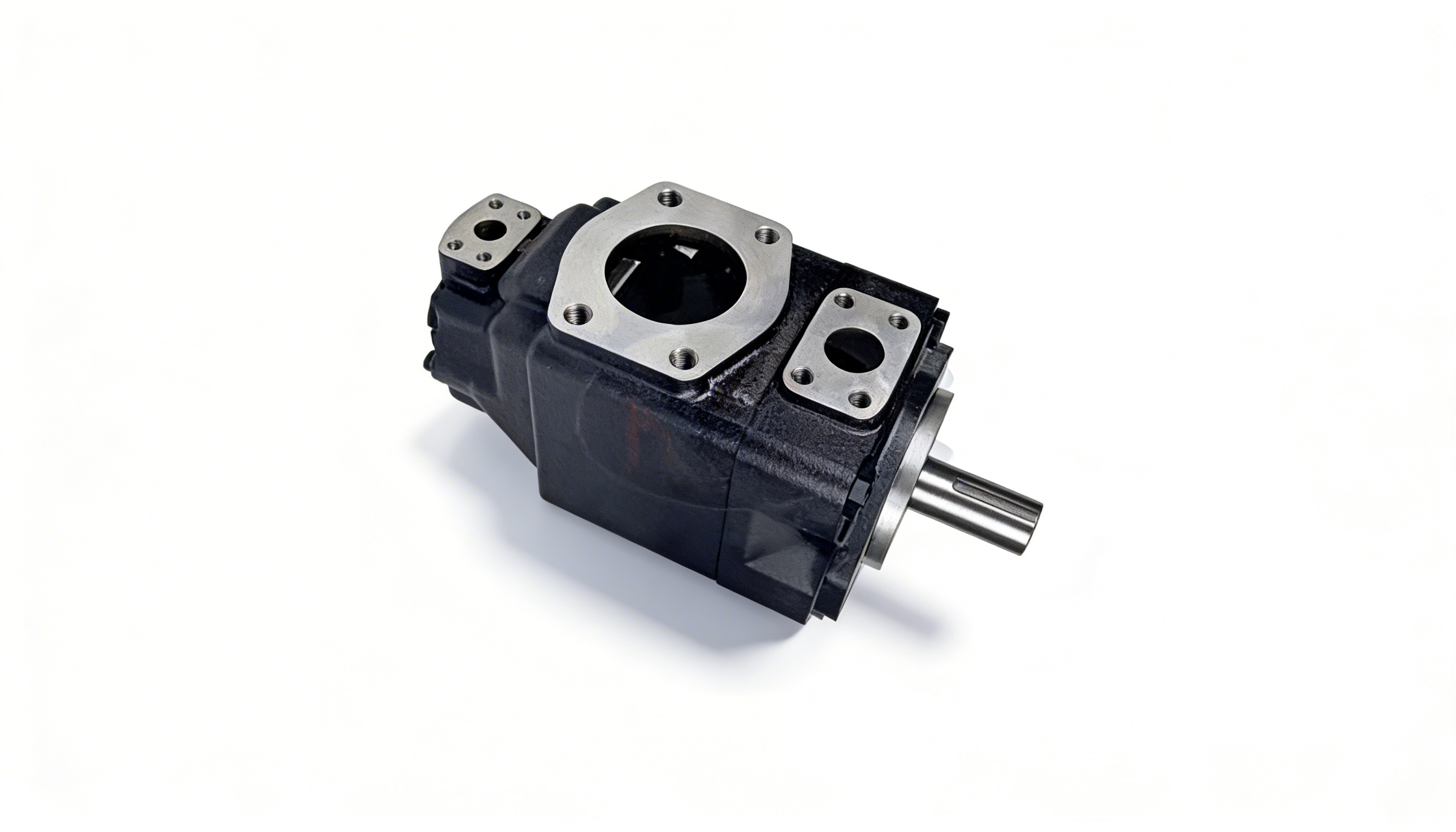
In today’s industrial environment, doing work faster is not an option; it is a necessity.
Upgrading to a hydraulic vane pump is one of the smartest moves for your industrial solutions with displacement technology. This pump is not like traditional pumps, which operate with constant output. Variable vane pumps are adjusted according to load requirements and reduce the energy wastage and increase system lifespan. When your machinery runs long hours or operates under fluctuating loads, this change can significantly impact your operational costs and performance.
What Is a Hydraulic Variable Vane Pump?
When the system pressure demands it, the Hydraulic Variable Vane Pump system automatically adjusts its displacement. This pump does not run continuously on full capacity; it modifies the output of flow according to the application's needs.
At the heart of this design is the vane for the pump, which slides in and out of a rotor to create suction and discharge pressure. In a variable design, the cam ring position changes, controlling the volume of oil delivered per rotation.
This intelligent design prevents unnecessary power consumption when full flow is not required.
How Variable Vane Technology Improves Energy Efficiency
Traditional fixed displacement pumps operate at constant flow regardless of demand. This eliminates continuous oil bypassing and reduces:
- Energy consumption
- Heat generation
- Noise levels
- Wear and tear on components
This pump works according to the demand, which results in better output. To ensure this technology is pressure controlled and stable in performance even under varying industrial loads, Hydraulic Vane Pump Manufacturers refined this.
Key Benefits of Switching to Variable Vane Pumps
Here’s why industries are making the shift:
1. Significant Energy Savings
Instead of running at full power continuously, energy consumption is reduced because the pump adjusts output.
2. Extended Product Component Life
A well-designed vane for a pump reduces internal stress.
3. Lower Noise Levels
Variable pumps operate more smoothly compared to constant displacement systems.
4. Improved System Control
Pressure remains stable, ensuring smooth machine operations.
Comparison Table: Fixed vs Variable Vane Pump
Here is the table from which you can easily understand the difference between both pumps.
| Feature | Fixed Vane Pump | Variable Vane Pump |
|---|---|---|
| Flow Control | Constant | Adjustable |
| Energy Efficiency | Moderate | High |
| Heat Generation | Higher | Lower |
| Noise Level | Moderate | Low |
| Oil Bypass Loss | Continuous | Minimal |
| Maintenance Cost | Medium | Lower (Long-Term) |
This table clearly shows how variable technology reduces energy waste and operational stress.
Understanding the Cost and ROI
When considering an upgrade, many businesses first look at the variable vane pump price. While it may appear slightly higher than fixed pumps, the long-term savings outweigh the initial investment.
Lower electricity bills, reduced oil cooling requirements, and extended equipment lifespan all contribute to faster return on investment. Within a short period, the savings often cover the difference in cost.
How to Choose the Right Pump for Your Application?
Before sourcing this pump, consider the following:
- Required flow rate and pressure range
- Operating hours per day
- Load fluctuation frequency
- Oil quality and temperature conditions
- Compatibility with existing hydraulic systems
Compare the expected energy saving. With the variable pump price, it helps you to make the best financial decision.
Always check the selected hydraulic vane pump matches your system’s operational requirements to produce maximum productivity.
Why Are Industries Moving Toward Smart Hydraulics?
Industrial demands in today’s times are changing. They prefer:
- Lower carbon footprint
- Higher automation compatibility
- Reduced downtime
- Energy-optimized machinery
Instead of wasting energy through constant displacement operation, these pumps intelligently adapt to demand. So you can easily switch to variable vane technology, which is a practical step toward smarter hydraulic systems.
The improved design of each vane for pump also provides better sealing, smoother sliding motion, and enhanced reliability.
Conclusion
Variable vane pump hydraulic system upgrade is just not a technical improvement. It is a strategic move to achieve the best output and increase the machinery life; it also helps to reduce the electricity consumption. With growing energy costs and sustainability goals, switching to modern hydraulic solutions is now necessary. It is the future of industrial performance.
When you are looking for hydraulic variable vane pumps, hydraulic systems, hydraulic oil cooler heat exchangers, etc. You are at the right place. We are the most trusted manufacturers of pumps to complete hydraulic solutions. Visit to explore more at N.T Associates and discover how smarter hydraulics can power your success.
Unique fact:
Inside the pump, the vanes constantly slide and adjust in milliseconds—faster than a human blink—to match pressure demand perfectly. It’s like having a tiny energy manager living inside your hydraulic system!
FAQs
1. What is the main advantage of a hydraulic variable vane pump?
Ans: A hydraulic variable vane pump improves energy efficiency by adjusting flow according to system demand. It reduces electricity consumption, minimizes heat generation, and prevents unnecessary oil bypass. Over time, this leads to lower operating costs, improved performance stability, and extended lifespan of hydraulic components.
2. How is a variable vane pump different from a fixed vane pump?
Ans: A fixed vane pump delivers constant flow regardless of system requirements, which can waste energy. In contrast, a variable vane pump automatically adjusts displacement based on pressure demand. This flexibility reduces power consumption, controls heat buildup, and ensures smoother and more efficient hydraulic system operation.
3. Is a variable vane pump suitable for continuous industrial operation?
Ans: Yes, variable vane pumps are ideal for continuous-duty industrial applications such as injection molding machines and hydraulic presses. They maintain stable pressure during load fluctuations, reduce internal stress, and operate efficiently for long hours, making them reliable for heavy-duty and high-performance environments.
4. Can a variable vane pump really make a difference in business performance?
Ans: One of my friends upgraded his factory to a variable vane pump after struggling with high electricity bills and overheating issues. I suggested he switch to a more energy-efficient solution. Within months, he noticed lower power consumption and smoother machine operation. Till today, he’s very happy with the performance and savings.
5. Have you seen real results after switching to a variable vane pump?
Ans: Yes, one of our clients in the manufacturing sector was facing constant pressure fluctuations and frequent downtime. We recommended installing a variable vane pump. After the upgrade, the system became more stable, energy usage reduced, and breakdowns decreased significantly. He later shared that production efficiency improved noticeably.
Additional resources:
Here is a list of our other blogs that you might be interested in: