What Is a Hydraulic Modular Valve and What Are Its Applications?
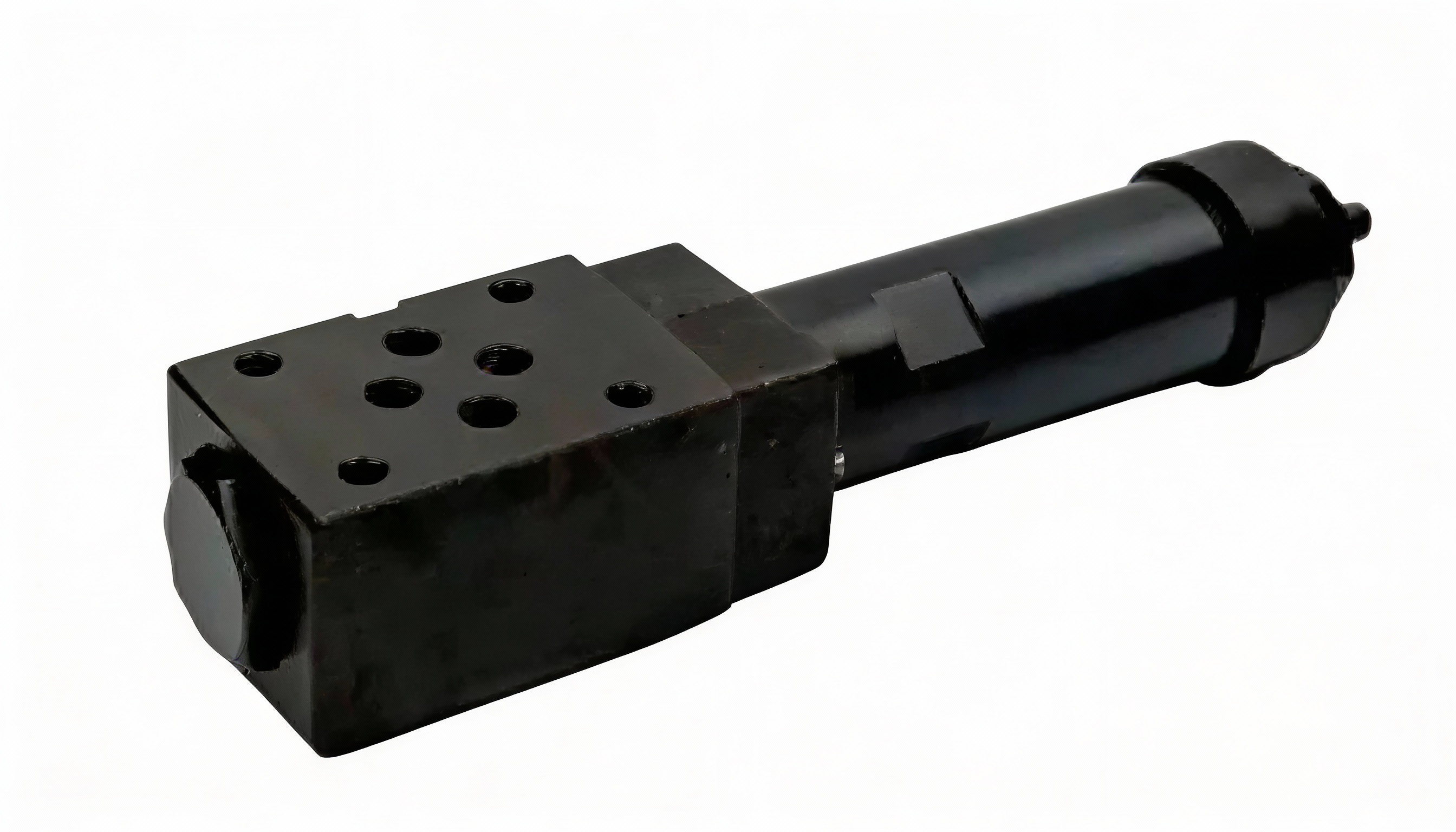
Hydraulics are an integral part of many applications and industries where large forces, motion control, and power transmission are involved. Selecting the right components will make the machine run more efficiently, reduce downtime and simplify the system design. One such element that has become a staple today is the hydraulic modular valve due to its compact design and flexibility.
Rather than running a long pipe to an array of individual valves, modular systems enable different control functions to be stacked together. This makes it easier for operators to keep the installations clean and have better control of the hydraulic performance.
Understanding Hydraulic Modular Valves
A Hydraulic Modular Valve is developed to manage the direction, flow, or pressure of the fluid in a system. These valves are stacked in layers or blocks and are fixed to a common base plate. Each layer has a certain function, and they are connected internally via passages that allow the fluid to flow.
This arrangement minimizes external piping and potential leakage. It also enables engineers to create specialized hydraulic circuits without undue complexity. This is just one of the superior design features that make modular valves widely used in contemporary industrial machinery.
Key Benefits of Using Modular Valves
The hydraulic module valve provides the following practical benefits to the operators and maintainers:
- Compact design that saves installation space
- Reduced pipe connections, lowering the risk of oil leaks
- Easy system expansion by adding or removing modules
- Faster troubleshooting and component replacement
- Clean and organized hydraulic layouts
With a well-engineered design, modular arrangements can also contribute to reducing typical hydraulic valve problems, including pressure drops, fluid leaks, and non-uniform flow distribution.
Common Hydraulic Modular Valve Types
There are a number of standard sections used to make up a full hydraulic circuit. The most common of Hydraulic modular valve types are:
- Directional control modules that guide fluid flow paths
- Pressure control modules that protect systems from overload
- Flow control modules that regulate actuator speed
- Check valve modules that prevent reverse flow
- Pilot-operated modules for advanced control functions
All units are designed to stack in any order to meet your system needs. This versatility allows modular valves to be used in simple or sophisticated hydraulic systems.
Where Are Hydraulic Modular Valves Used?
Hydraulic modular valves are used in a wide range of industries because of their reliable and flexible performance. Typical applications are:
- Manufacturing equipment, such as presses and automated assembly lines.
- Construction machinery such as loaders and aerial work platforms.
- Agricultural machinery requiring precise movement control
- Hydraulic power units supplying multiple circuits
- Industry equipment where uniform performance is a must.
The valves require less work to service and provide stable hydraulic flow because of their construction.
Typical Specifications to Consider
Basic technical knowledge of modular valves is necessary when choosing them to ensure that your system and the valve are compatible. This is a high-level overview based on the industry norms:
| Specification | Typical Value |
|---|---|
| Mounting Standard | ISO 4401 / CETOP |
| Maximum Operating Pressure | Up to 315 bar |
| Nominal Flow Rate | 20 to 100+ L/min |
| Available Functions | Directional, Flow, Pressure, Check |
| Construction Material | Aluminium or Steel |
| Installation Method | Stack-mounted on a manifold |
These depend on system size and operating conditions; however, these tend to be accepted rules in hydraulic design. The collaboration with well-informed Hydraulic modular valve manufacturers provides the most appropriate choice of valves, compatibility of the system, and high durability in the long term.
Selecting the Right Modular Valve Setup
Choice of the valve arrangement should be based on load requirements, operating pressure, and environmental conditions. Consult with reputable Hydraulic modular valve manufacturers and suppliers on your selection to ensure performance and safety requirements are met.
Good system design and the associated proper system planning can also help you to minimize maintenance over the life of the system and also improve uptime.
Conclusion
Hydraulic modular valves are a cost–effective and energy-efficient solution for control of fluid power in today's machines. The compact design, versatility, long life, and low maintenance make them dependable for many industrial applications. A good modular valve design enables a smoother operation and enduring performance.
FAQs
Q1: What is a modular valve?
Modular valves are a kind of valve designed to minimize the space needed for installation. These types of valves can be employed in various applications, such as industrial applications or even any other industries where utility has been found for space saving.
Q2: What are the three types of hydraulic valves?
The hydraulic valves are of three types: flow control valves, pressure control valves and direction control valves.
Q3: Where can I get good-quality modular hydraulic valves for industrial applications?
Reliable and robust hydraulic modular valves can be procured through leading manufacturers such as N.T. Associates & Trading Co., who provide off-the-shelf modular valve solutions for industrial hydraulic applications and keeps you away from hydraulic valve problems.
Q4: Are modular valves suitable for continuous operation?
Most valves designed for industrial service duty in the open position can be used for continuous duty. Continuous service duty can be expected if the pressure and flow requirements are within the rated limits.
Q5: What is the working principle of a hydraulic valve?
Spools are crucial to the functionality of the directional control valves since they direct the flow of the hydraulic fluid.