Understanding The Importance of Hydraulic Cylinders and Motors in Forklifting Operations
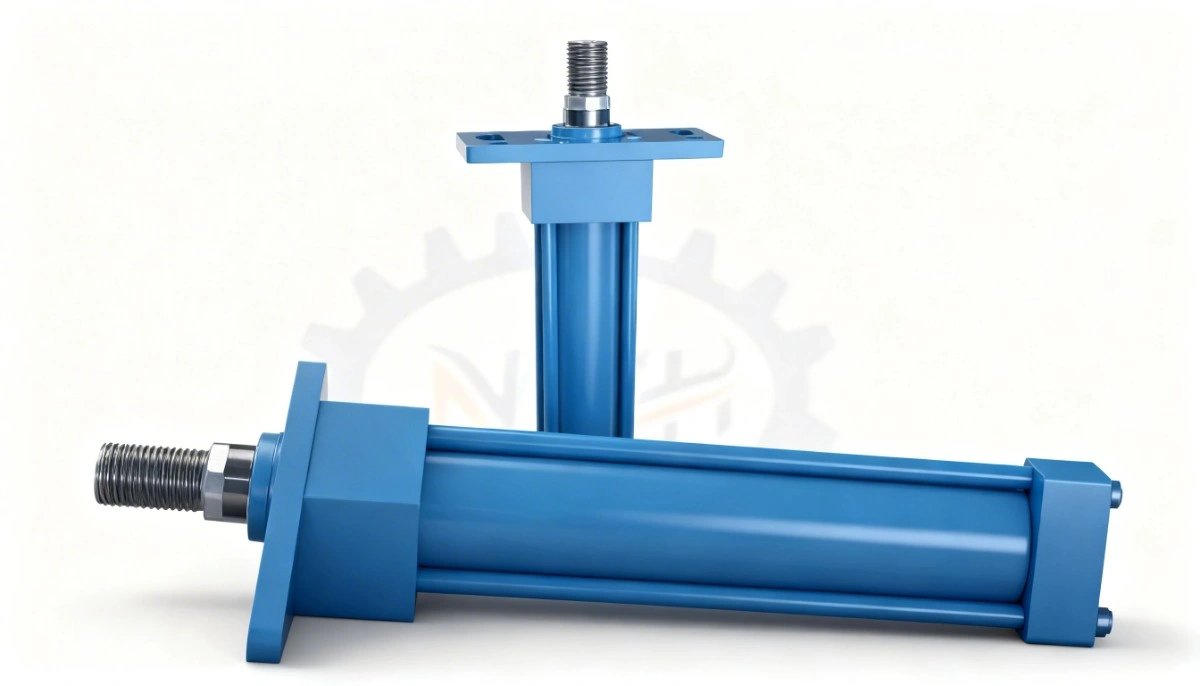
With the help of hydraulics, it is possible to deliver controlled force and motion without any pressure. Tons of weight managed by forklifts and conveyors happen regularly without any break. A system improves load control and enhances safety.
The Role of Hydraulic Systems in Forklifts
Tasks like lifting and tilting done by forklifters highly depend on hydraulic systems. The heat present inside the hydraulic piston moves the cylinder that in turn raises the load. The entire process flows smoothly and results in load lifting. Some of the benefits include:
- Smooth lifting and lowering of heavy loads.
- Precise tilt control for safe stacking.
- Reduced mechanical wear compared to purely mechanical systems.
To meet modern safety and efficiency standards is not possible without the reliable hydraulic system.
Conveyors and Hydraulic Motors: Keeping Materials in Motion
Conveyors are good for regular movement, while forklifts focus on lifting for heavy-duty, commonly used hydraulic motors. Also, for reliability and high-torque conveyor applications, they are most important. Hydraulic Motors are commonly used in heavy work.
Hydraulic motors offer:
- Consistent speed under varying loads
- At low speeds, give high torque.
- very durable in dust and harsh environments.
These features make them good for the industries that are doing mining, recycling, and bulk material handling.
Did you know?
If hydraulic oil gets dirty, machines start behaving like they haven’t had coffee—slow, shaky, and unpredictable.
Single vs. Double Acting Cylinders
01 Single Acting hydraulic cylinder
This cylinder hydraulic pressure is in one direction only for return pressure this depends on gravity or a spring. These are commonly used in applications like simple lifts or dump mechanisms where controlled return force is not critical.
02 Double Acting Cylinder
This cylinder hydraulic pressure is in both directions. It provides better control and force; it does not depend on gravity or springs. This design also depends on forklift operation, like lifting and tilting.
Key Benefits of Reliable Hydraulic Components
Purchasing high-quality hydraulic cylinders and motors provides the following benefits:
- Improved load handling accuracy
- Reduced downtime and maintenance costs
- Longer equipment life
- Enhanced operator safety
- Better energy efficiency
Reliable hydraulics don’t just move loads and protect your entire operation.
Common Challenges and How Quality Hydraulics Solve Them
Material handling environments are tough. From the dust, vibration, and temperature fluctuations, components quickly degrade.
Quality hydraulic systems solve these challenges by:
- Using precision seals to prevent leaks
- Employing hardened surfaces to reduce wear
- Maintaining fix performance under pressure
When operators search for Hydraulic Cylinders Near Me, they are looking for reliability, support, and the best performance.
Maintaining Hydraulic Cylinders
For running a hydraulic system smoothly, here are the maintenance tips.
- Regularly inspect hoses and seals.
- Monitor fluid cleanliness.
- Replace worn components before failure.
- Follow the dates of maintenance properly.
A best approach can extend equipment life by years.
Did You Know?
Hydraulic systems are so powerful that a small cylinder can lift a fully loaded truck—no protein shake required.
Quick Comparison Table
| Component Type | Primary Function | Common Use | Key Advantage |
|---|---|---|---|
| Hydraulic Cylinder | Linear motion | Forklift lifting | High lifting force |
| Hydraulic Motor | Rotary motion | Conveyors | Continuous torque |
| Single-Acting Cylinder | One-way force | Dump systems | Simple design |
| Double-Acting Cylinder | Two-way force | Forklift masts | Precise control |
Conclusion
For material handling systems, cylinders and motors are very important.
To increase productivity, safety, and operational efficiency, choose the reliable components, maintain them properly, and understand the applications of the machines.
Their role is most important, from lifting heavy pallets with a better-running machine nonstop.
For sourcing high-quality hydraulic solutions, expert support, and customized systems for forklifts and conveyors, NTH is the right place for you. Visit now N.T Associates. NTH is the most trusted and reliable for hydraulic system solutions.
“Smooth hydraulics = smooth operations = fewer angry stares in the warehouse.”
FAQs
1. Why are hydraulic systems so important in material handling equipment?
Ans: Hydraulic systems are essential because they deliver high force with precise control, making them ideal for lifting and moving heavy materials safely. Forklifts depend on hydraulics for smooth lifting and tilting, while conveyors rely on them for consistent motion. Without hydraulics, material handling equipment would be less efficient, harder to control, and more prone to mechanical failure.
2. How does proper hydraulic maintenance impact operational efficiency?
Ans: Proper hydraulic maintenance prevents unexpected failures, reduces downtime, and ensures consistent performance. Clean hydraulic fluid, timely seal replacement, and routine inspections keep systems running smoothly. Well-maintained hydraulics also consume less energy and place less stress on components. This leads to longer equipment life, safer operation, and predictable performance in demanding material handling environments.
3. What should businesses consider when choosing hydraulic components?
Ans: Businesses should consider load capacity, operating conditions, component quality, and after-sales support. Cheap or mismatched components often lead to frequent failures. It’s important to select hydraulics designed for the specific application—whether lifting, pushing, or continuous motion. Partnering with a reliable hydraulic supplier ensures better performance, safety, and long-term cost savings.
4. From your experience, what is the most common hydraulic issue in forklifts and conveyors?
Ans: In real industrial environments, the most common issue is oil leakage due to worn seals or poor maintenance. I’ve seen operations stop for hours because a small seal failure went unnoticed. These issues usually start minor but grow quickly if ignored. Regular inspections and quality hydraulic components significantly reduce downtime and help avoid sudden breakdowns during peak operations.
5. What practical improvement do businesses notice after upgrading hydraulic components?
Ans: Based on hands-on experience, the first noticeable improvement is smoother operation and reduced noise. Operators often mention better control and less vibration. Maintenance teams also report fewer emergency repairs. Over time, businesses see improved productivity, lower maintenance costs, and longer equipment life—especially in forklifts handling heavy loads and conveyors running long shifts.